


The Heart of the Classroom: Student Mental Health and Belonging

Updated: Aug 11
As students across Central Florida prepare to return to classrooms, campuses and routines, back-to-school season brings plenty of excitement. New teachers. New classmates. New opportunities. But for many students, it can also bring anxiety, social pressure, academic expectations and questions about where, and whether, they belong.
Those challenges were at the center of the Parikh Giving Alliance’s latest Collaboration Circle – Education: The Heart of the Classroom: Student Mental Health and Belonging, held virtually on August 4, 2026.
Timed with National Back to School Month, the conversation brought together leaders working with young people from very different vantage points to explore what students are facing today and what schools, families, nonprofits and communities can do to help create environments where young people feel seen, safe and ready to learn.
The program was part of the Parikh Giving Alliance Collaboration Circle, our signature Zoom-at-Noon series held three times each year and centered around our key areas of impact: healthcare, education and the arts. These free, one-hour conversations are designed to bring different voices to the same table, create space for meaningful dialogue and, most importantly, identify opportunities for greater collaboration.
Three Perspectives. One Shared Priority.
Moderated by Reena Patel, Board Member of the Parikh Giving Alliance, the education-focused discussion featured three leaders whose work gives each a unique perspective on student mental health and wellbeing:
Andre Molette, MPH, Executive Director of Zebra Youth, brought a community-based perspective informed by his work supporting LGBTQ+ youth.
Tiffany Toussaint, MSW, LCSW, QS, TCYM, Director of Stetson University’s Student Counseling Services, brought a clinical and campus-based perspective on the mental health challenges students experience as they navigate school, relationships and growing expectations.
Dr. Lua Hancock, Vice President of Phoenix Generation, Ginsburg Family Foundation, brought a systems, prevention and youth-development perspective focused on the role early intervention can play in shaping long-term outcomes.
Our goal was not to approach student mental health as one issue with one solution. Instead, the conversation looked at students through the different environments and systems that surround them and the role each can play in helping young people thrive.
Belonging Is More Than Feeling Included
One of the important threads running through the conversation was the role of belonging. For students, belonging isn't simply about being included in activities or having friends. It can influence whether a young person feels safe enough to participate, ask for help, take risks in learning and show up authentically.
That conversation becomes especially important when considering students who may already feel different or marginalized.

Through the lens of his work with LGBTQ+ youth at Zebra Youth, Molette helped bring attention to how identity, safety and belonging can affect a student's experience at school. The planned discussion asked not only what mental health challenges students are facing, but how those challenges can be intensified when a young person is unsure whether the environment around them is accepting or safe. It is an important reminder that supporting student mental health isn't limited to what happens in a counseling office. Culture, relationships, peer interactions and a student's sense of connection to the people around them all matter.
What Students Are Carrying Into the Classroom
Students also don't leave the pressures of the outside world at the classroom door.
Anxiety, social pressures and academic expectations can all influence a student's ability to learn, connect and succeed. For some students, returning to school may actually intensify those pressures.
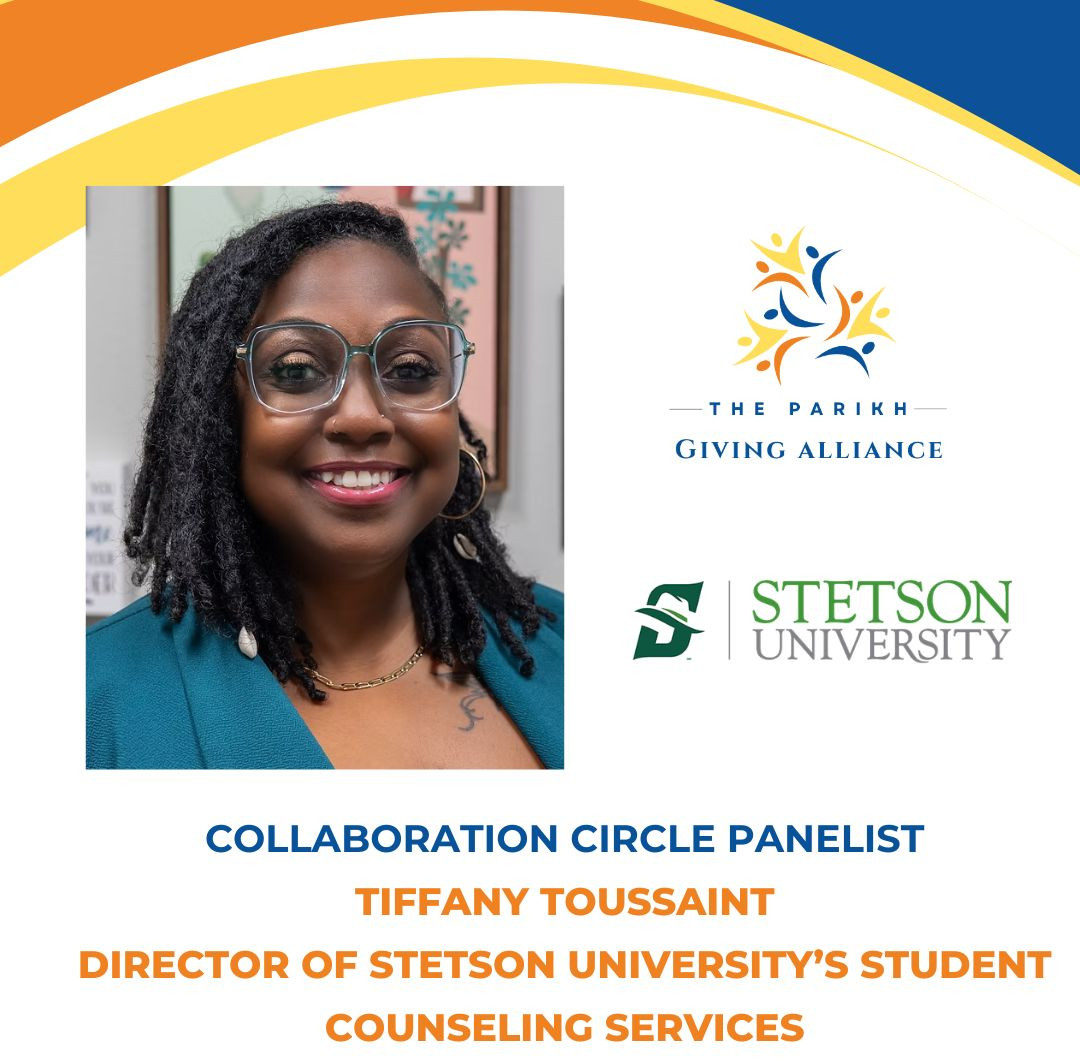
Toussaint brought the clinical and campus perspective to the conversation, helping explore the mental health trends emerging among students and what those challenges can look like as young people transition into a new school year.
Her perspective also helped broaden the definition of student success. Grades and academic achievement matter, but they are only one part of a student's experience. Emotional wellbeing, healthy relationships, access to support and knowing when and how to ask for help are important pieces of the equation as well.
And those needs don't suddenly disappear at graduation. The transition from K–12 education into college and young adulthood can bring an entirely new set of expectations and pressures, making continuity of support increasingly important.
The Power of Reaching Students Earlier
The conversation also moved beyond responding to mental health challenges after they become a crisis. From a systems and prevention perspective, Dr. Lua Hancock helped explore the role of early intervention and youth-focused programming and how reaching young people earlier can influence their long-term mental health and wellbeing.

Schools cannot do this work alone. Neither can parents, counselors, healthcare providers, nonprofits or funders. Each sees a different piece of a young person's life.
The opportunity comes when those pieces connect. Community organizations may reach young people who aren't comfortable seeking help at school. Counselors and healthcare professionals can provide clinical expertise. Schools see students every day and may notice changes early. Youth-development organizations can build connection, confidence and resilience. Philanthropic organizations can help invest in programs and ideas that strengthen those networks. That is precisely why conversations across sectors matter.
Creating Communities Where Students Can Thrive
There is no single program or organization that can solve the complex challenges surrounding student mental health. But there are opportunities everywhere to make a difference. We can listen earlier. We can make it easier to ask for help. We can recognize bullying and isolation before they become normalized. We can create environments where differences aren't simply tolerated but respected. And we can strengthen the connections between schools, families, mental health professionals, nonprofits and community organizations so young people aren't left trying to navigate complicated systems on their own.
At the Parikh Giving Alliance, we believe meaningful progress happens when leaders come together to explore real challenges and share actionable ideas. That principle is at the heart of our Collaboration Circle series. As another school year begins, The Heart of the Classroom offered an important reminder: preparing students for success means thinking about more than what they need academically. It means asking whether they feel safe. Because when students feel seen, safe and connected, we create stronger foundations not only for learning, but for the young people they are becoming.
The conversation doesn't end with the webinar. The Parikh Giving Alliance will continue bringing leaders together through our Collaboration Circle series to explore challenges, share perspectives and spark connections across Central Florida's nonprofit, public and private sectors.
Watch the Full Webinar (Coming Soon - Releasing on August 12th.


